

Helping Tiny Humans Do Big Things!
- Goal-Oriented Exploration: The program encourages children to explore and reach key personal, social, and academic milestones, such as improving social interactions, sparking curiosity, and developing a love for learning.
- Empowerment and Encouragement: Our coaches inspire children by building their confidence and motivation. Through activities and play, children learn to see their unique strengths and capabilities.
- Action-Filled Adventures: We engage children in playful, hands-on activities that make learning fun and memorable. Coaches offer interactive play, exercises and tools to help children develop new skills in an enjoyable way.
- Supportive Friendship: Coaches build warm friendships with children, providing encouragement, support, and gentle guidance. They act as friendly companions on each child’s learning journey.
- Development of Important Skills: The program includes teaching everyday skills such as understanding emotions, getting along with others, and solving problems, which are essential for growing up happy and confident.
- Perfect for Young Adventurers: This program is suited for children who are curious, eager to learn, want to make friends, or might need a little help with expressing their feelings or building confidence.
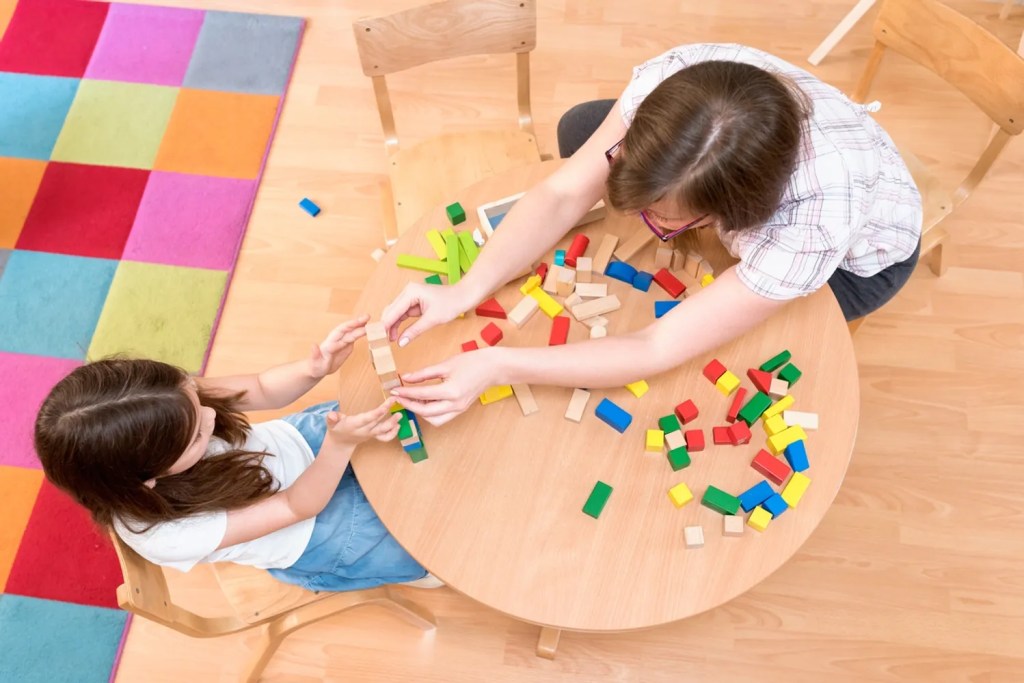
WHAT IS THE DIFFERENCE BETWEEN COACHING AND THERAPY FOR CHILDREN?
Coaching for Children
- Focus: Coaching is primarily focused on empowerment, skill-building, and achieving specific personal or social goals. It emphasizes enhancing children’s strengths and supporting them in reaching their potential through guided activities and encouragement.
- Approach: Coaches provide a structured, goal-oriented process that is often play-based and interactive. The relationship between the child and coach is a supportive partnership aimed at promoting growth, learning, and the development of practical skills.
- Goals: Coaching aims to improve areas such as confidence, communication skills, social interactions, and other life skills in a positive and motivating environment.
- Participants: Coaching is generally suitable for children who are motivated to enhance specific skills or achieve specific objectives and do not require clinical intervention.
Mental Health Therapy for Children
- Focus: Therapy is centered on addressing and resolving psychological challenges or mental health issues. It involves creating a safe space where children can explore and process emotions, behaviors, and underlying issues.
- Approach: Licensed mental health professionals use therapeutic techniques tailored to the child’s needs. Therapy involves diagnosing and treating emotional, behavioral, or mental health issues through a range of evidence-based interventions.
- Goals: The aim of therapy is to help children resolve emotional difficulties, manage symptoms of mental health conditions, and improve overall psychological well-being.
- Participants: Therapy is appropriate for children who are experiencing significant emotional distress, mental health conditions, or challenging life events that require clinical attention.
Goals
- Promote Emotional Resilience: Equip children with the tools and strategies to manage their emotions effectively and bounce back from setbacks.
- Enhance Communication Skills: Develop children’s ability to express themselves clearly and listen actively to others, fostering better relationships with peers and adults.
- Foster Self-Esteem and Confidence: Build a strong foundation of self-worth and confidence in children, empowering them to take initiative and pursue their passions.
- Cultivate Healthy Coping Mechanisms: Teach children healthy ways to cope with stress and challenges, contributing to their overall mental well-being.
- Support Social Skill Development: Encourage positive interactions and collaborations among children to enhance their teamwork and friendship-building skills.
By understanding the distinctions, parents, educators, and caregivers can make informed decisions about which approach may be more suitable based on a child’s specific needs.

Strong Sprouts Objectives
- Enhance Emotional Awareness: Help children recognize and understand their emotions, leading to better emotional regulation and empathy towards others.
- Improve Social Skills: Develop children’s abilities to interact positively with peers and adults, focusing on communication, cooperation, and conflict resolution.
- Build Confidence and Self-Esteem: Foster a positive self-image by encouraging children to embrace their unique abilities and achievements.
- Facilitate Goal Setting: Guide children in setting realistic and attainable goals, teaching them how to plan and take steps towards achieving these goals.
- Encourage Problem-Solving Skills: Equip children with strategies to approach challenges confidently and creatively, promoting resilience and adaptability.
- Promote a Growth Mindset: Cultivate a mindset that values learning and effort, encouraging children to see mistakes as opportunities for growth and development.
- Support Healthy Coping Mechanisms: Introduce children to positive ways of handling stress and overcoming challenges, contributing to overall well-being.
- Foster Creativity and Curiosity: Encourage exploration and imaginative thinking, allowing children to express themselves and discover new interests.
These objectives aim to create a holistic experience that supports various aspects of a child’s development, helping them to thrive in different areas of life.
 Nicklaus Counseling Center, S.C.